

“Why Young Minds Need Breaks Too”
Rest is an important part of wellness, growth, and healthy routines.
For many kids and teens today, routines rarely slow down.
A typical day often moves from school to tuition classes, sports practice, dance lessons, music sessions, homework, projects, screen time, and packed schedules with very little room left in between.
Being active, creative, and involved in hobbies can be incredibly valuable. But when every hour begins feeling scheduled, rest often becomes the first thing sacrificed.
And over time, constant activity can affect much more than energy levels.
It can begin affecting wellness, sleep, emotional balance, focus, physical recovery, and even skin health.
Because growing minds and bodies need time to recharge too.
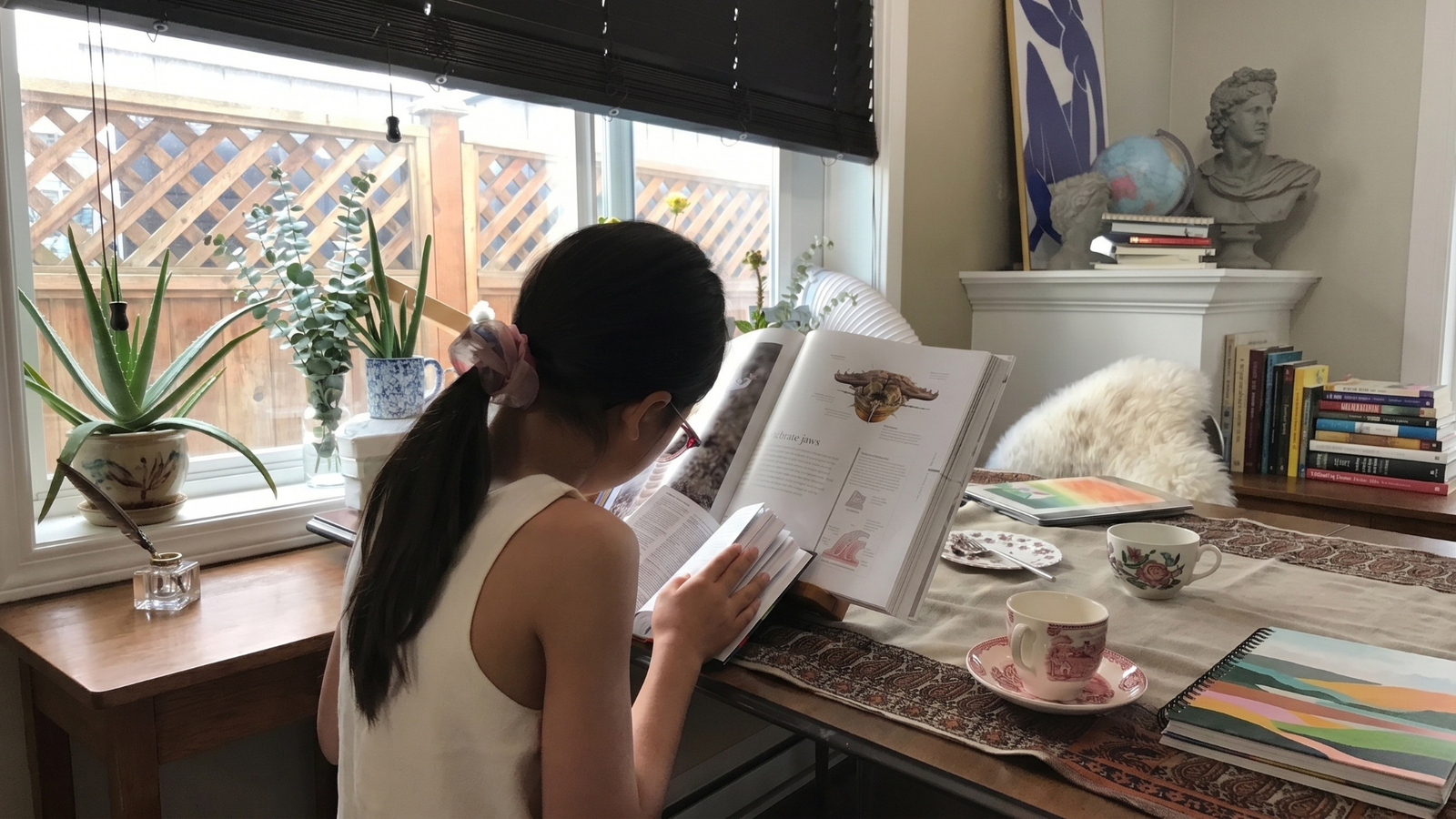
Busy Routines Affect More Than Energy
Modern routines can leave many young people constantly moving from one responsibility to the next.
School pressure, extracurricular activities, academic expectations, social commitments, and digital overstimulation often create days that feel mentally and physically exhausting.
When there is little downtime between activities, the body and mind may struggle to fully recover.
Over time, this can lead to:
- tiredness
- irritability
- reduced focus
- emotional overwhelm
- poor sleep patterns
- low energy levels
Wellness is not only about staying productive. Recovery matters too.

Rest Supports Healthy Skin Too
Beauty and wellness are closely connected to rest.
Lack of proper sleep and recovery can affect how the body functions internally, which often becomes visible externally as well.
When routines become overly exhausting, it may contribute to:
- tired-looking skin
- dullness
- dark circles
- dehydration
- increased stress on the body
Healthy skin is not only created through skincare products. It is also supported by sleep, hydration, balance, and recovery.
Sometimes the most effective wellness habits are also the simplest ones.

Young Bodies Need Time to Recharge
Kids and teens are still growing physically, mentally, and emotionally.
That growth requires:
- quality sleep
- moments of rest
- proper nutrition
- hydration
- emotional downtime
- balanced routines
Constant schedules without enough recovery time can make even enjoyable activities start feeling overwhelming.
Rest should not be viewed as laziness or wasted time. It is a necessary part of healthy development and overall wellbeing.

Wellness Is More Than Staying Busy
Today’s culture often celebrates constant productivity and packed schedules.
But true wellness is not about doing more every hour of the day.
Healthy routines should also create space for:
- breaks
- free time
- slower moments
- proper sleep
- movement without pressure
- mental relaxation
Balance is what allows routines to feel sustainable and healthy long-term.
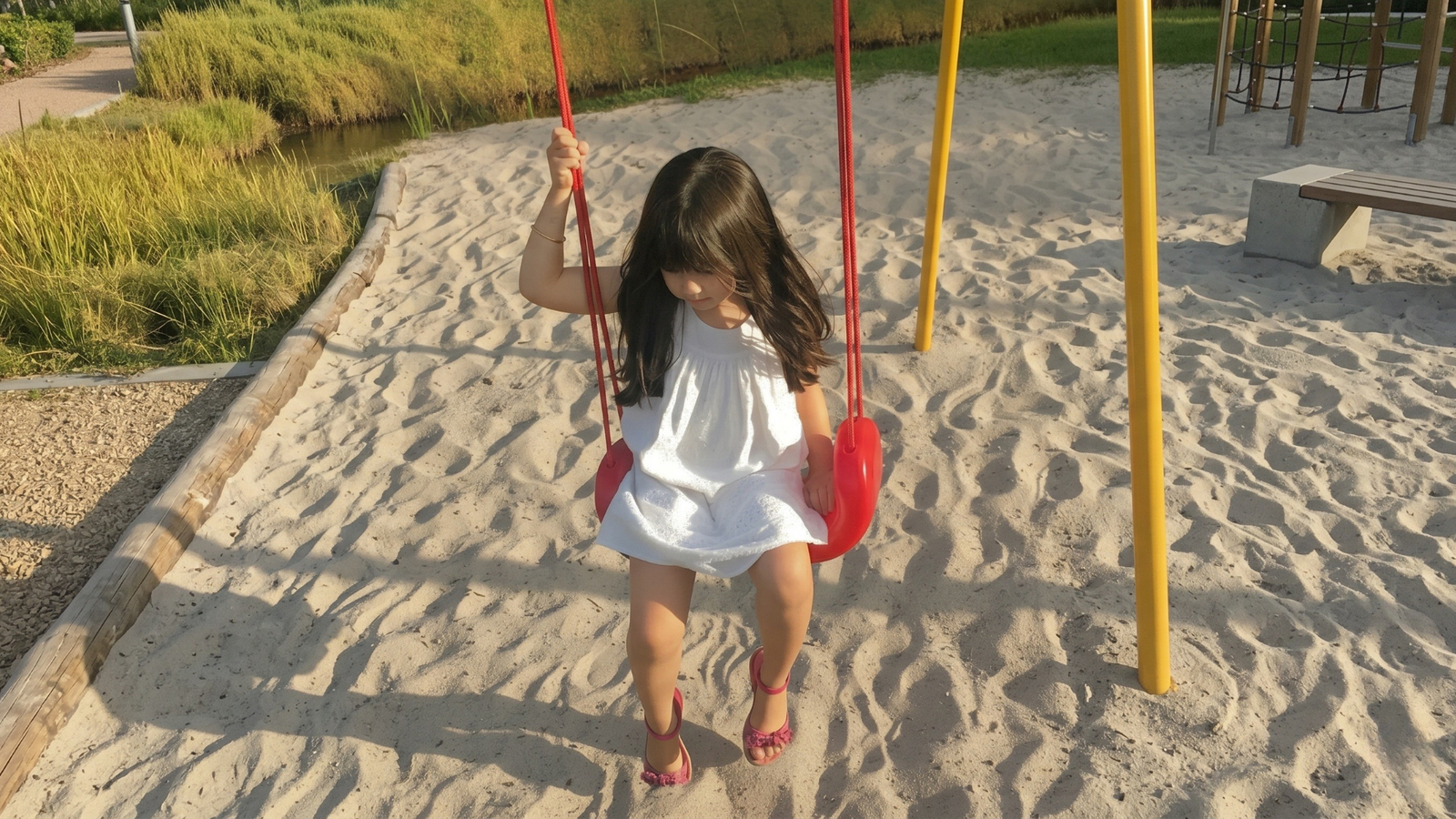
Breaks Help Emotional Wellbeing
Downtime supports more than physical recovery.
Quiet moments, unstructured time, and opportunities to slow down can help improve:
- emotional balance
- mood
- concentration
- creativity
- stress levels
- overall mental wellbeing
Even short moments of rest during busy weeks can make a meaningful difference.
Young minds need opportunities to pause, recharge, and simply exist without constant pressure to perform.

Rest Is Part of Wellness Too
Rest should not feel like something that needs to be earned only after exhaustion.
It is already an important part of wellness itself.
For kids and teens especially, healthy growth is not only built through achievements, activities, or productivity. It is also supported by sleep, recovery, balance, and moments of stillness between busy routines.
Because growing minds and bodies need more than schedules.
They also need time to breathe, recharge, and simply rest.





Leave a Reply