With school routines paused and days stretching longer, summer offers something increasingly rare time.
Time to slow down, to observe, and to explore without urgency. In this openness, curiosity begins to take shape, often in the simplest and most unexpected ways.
Longer Days Invite Exploration
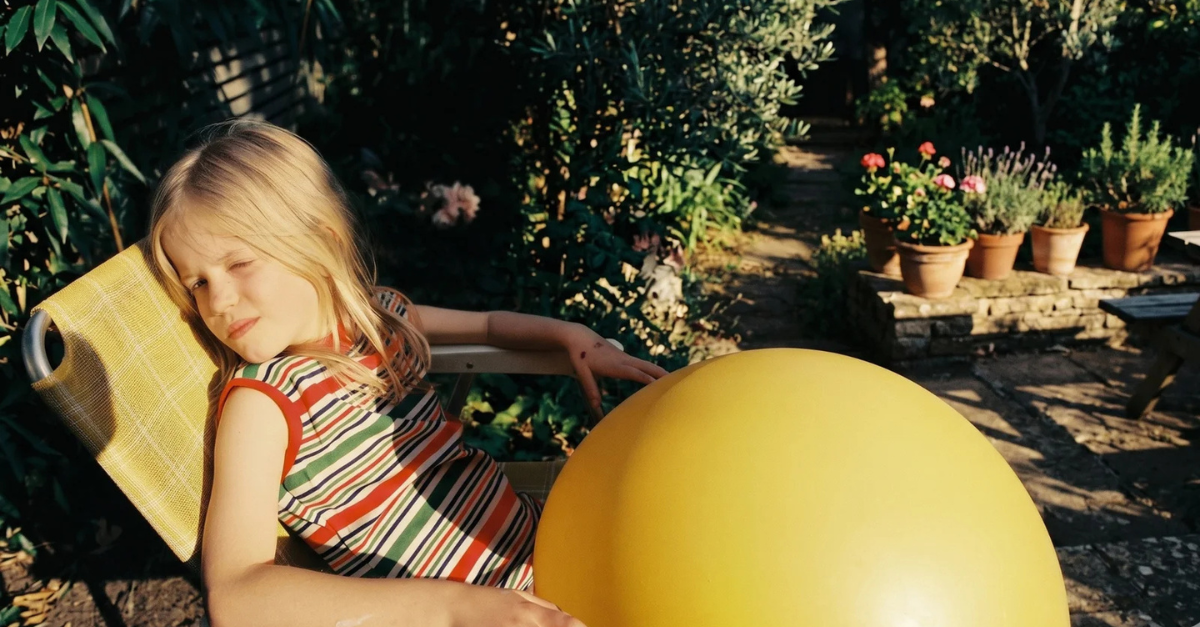
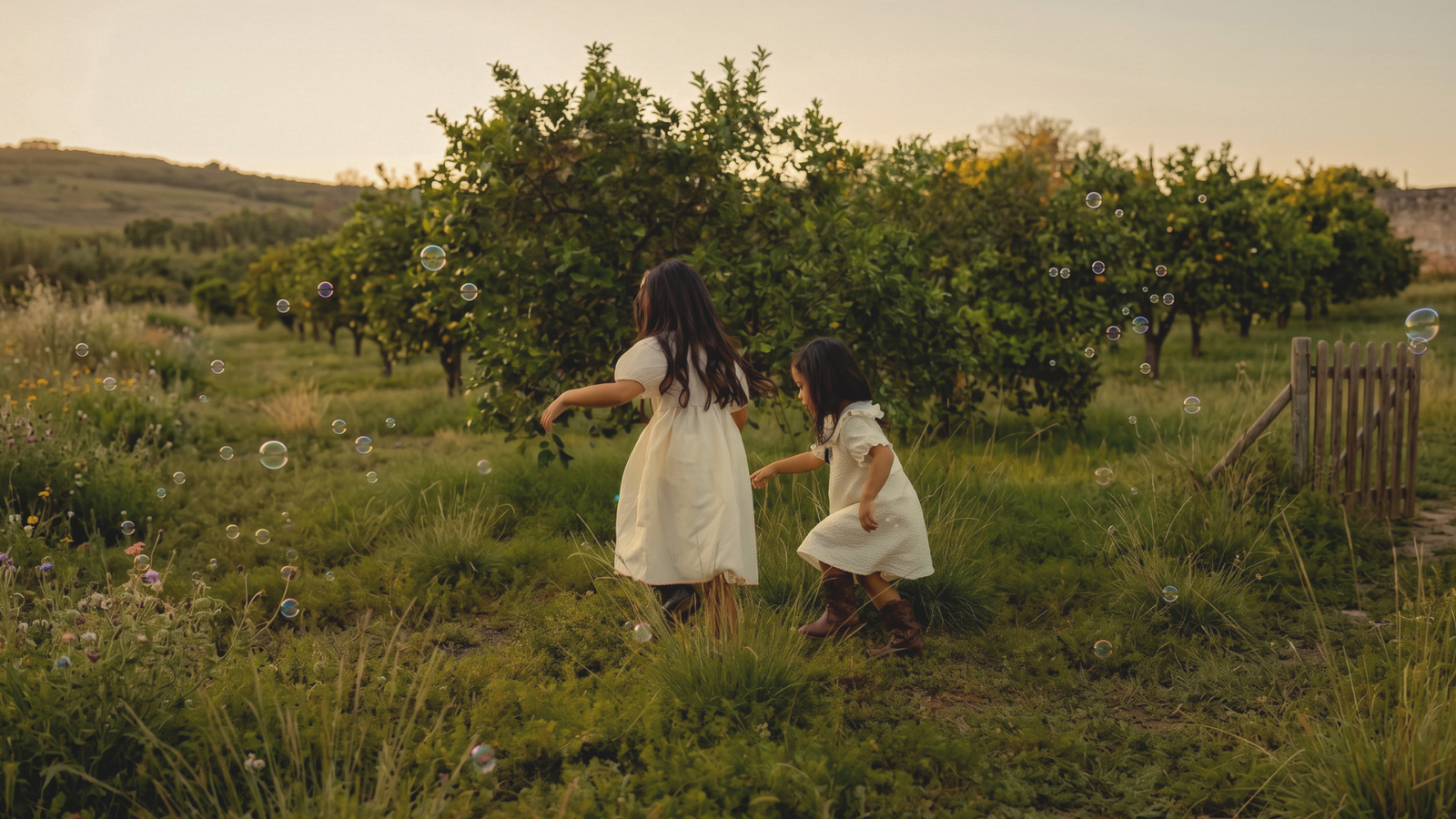
Summer naturally pulls children outdoors.
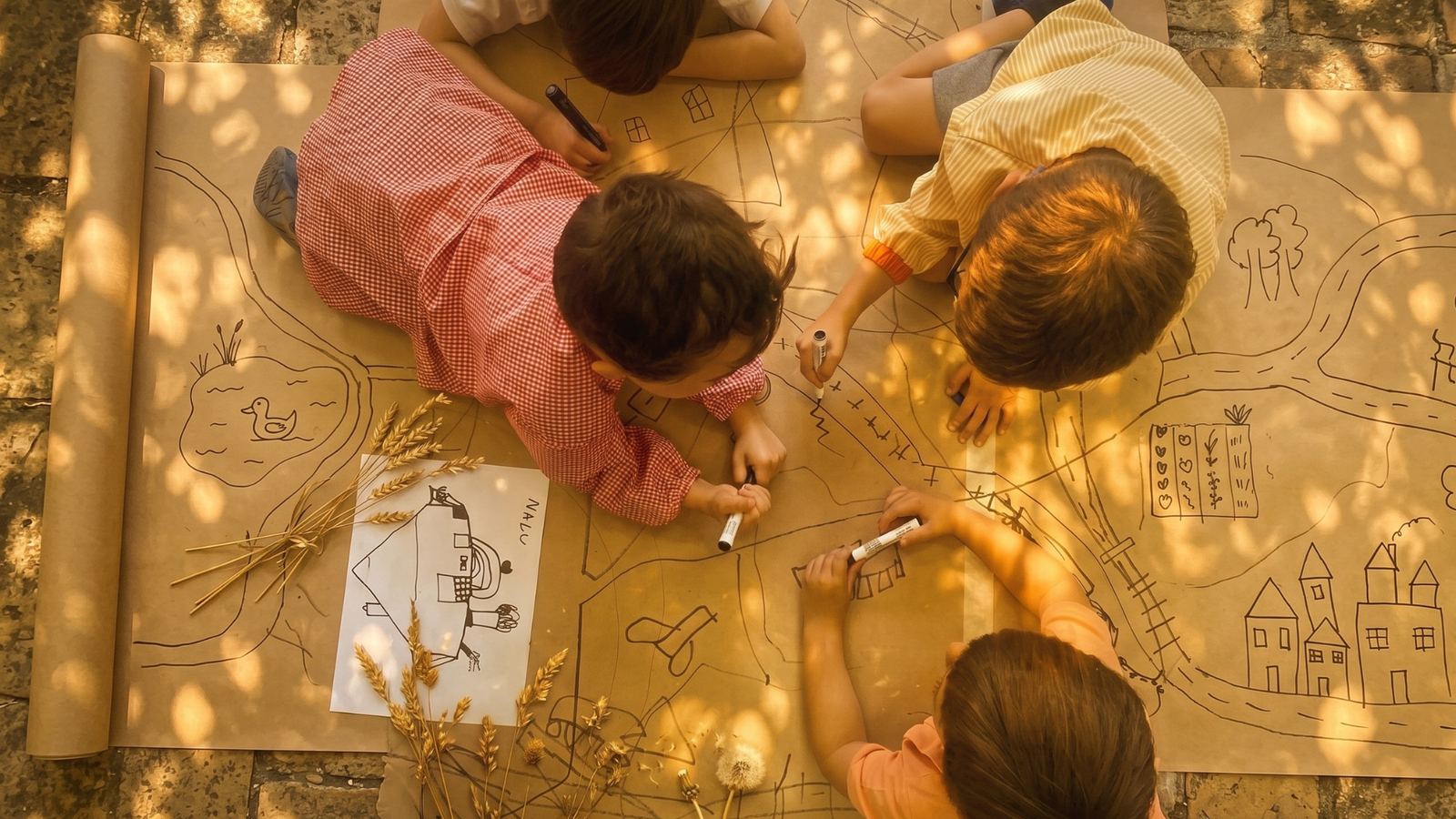
Parks, gardens, and everyday surroundings become spaces of quiet discovery. Without the rush of schedules, children notice details they might otherwise overlook – a butterfly resting on a flower, a trail of ants moving with purpose, or the shifting shapes of clouds overhead.
These small observations often lead to questions, and those questions are where curiosity begins.
Why Unstructured Time Matters
Not every moment needs to be planned.
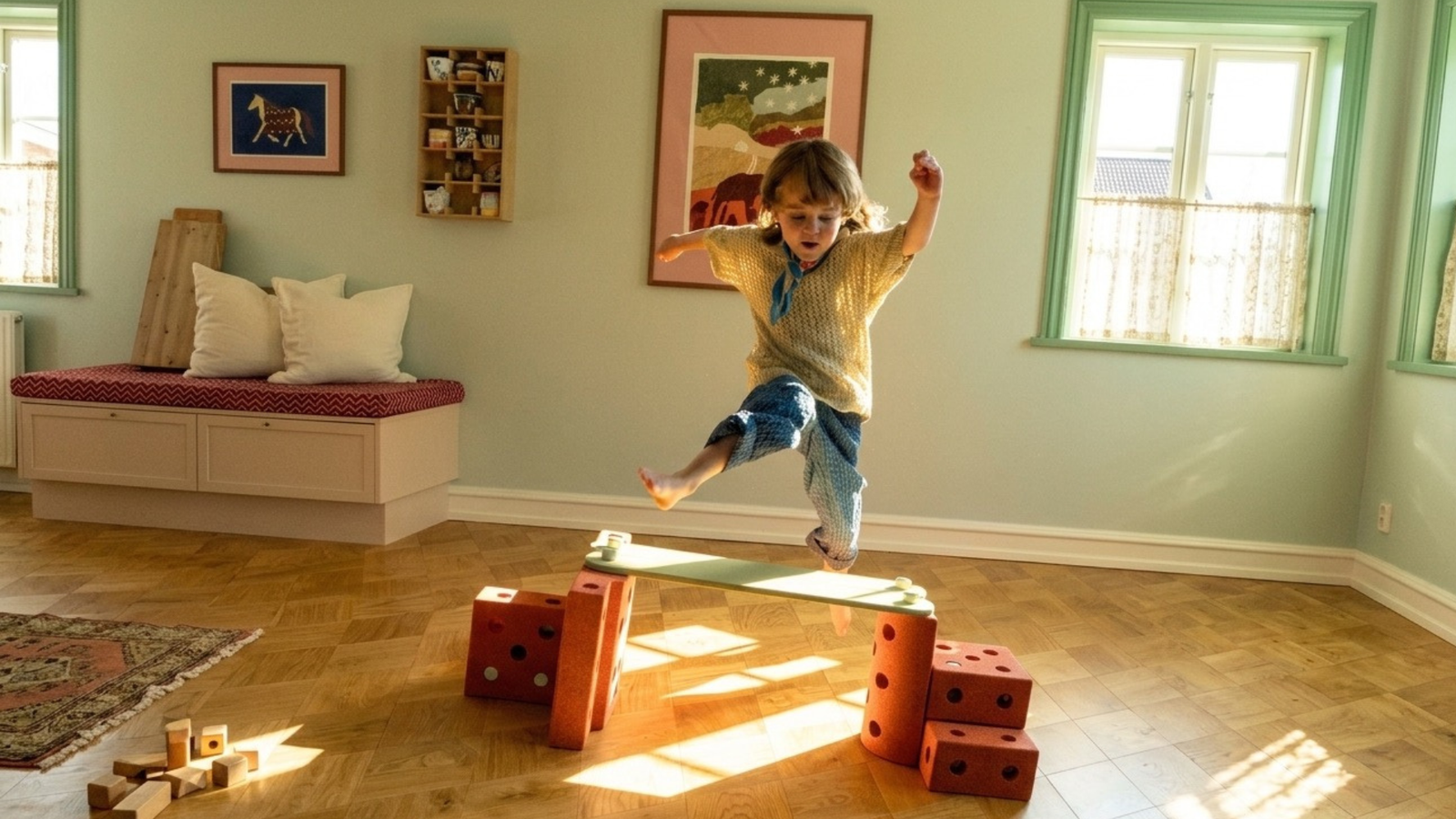
When children are given time without constant direction, they begin to create their own sense of engagement. They build, imagine, experiment, and explore ideas on their own terms.
This kind of unstructured time is where creativity develops naturally. It encourages problem-solving, independence, and a deeper connection to their surroundings.
Sometimes, the most valuable part of summer is the absence of a fixed plan.
Nature as a Quiet Teacher
Nature offers a constant invitation to learn.
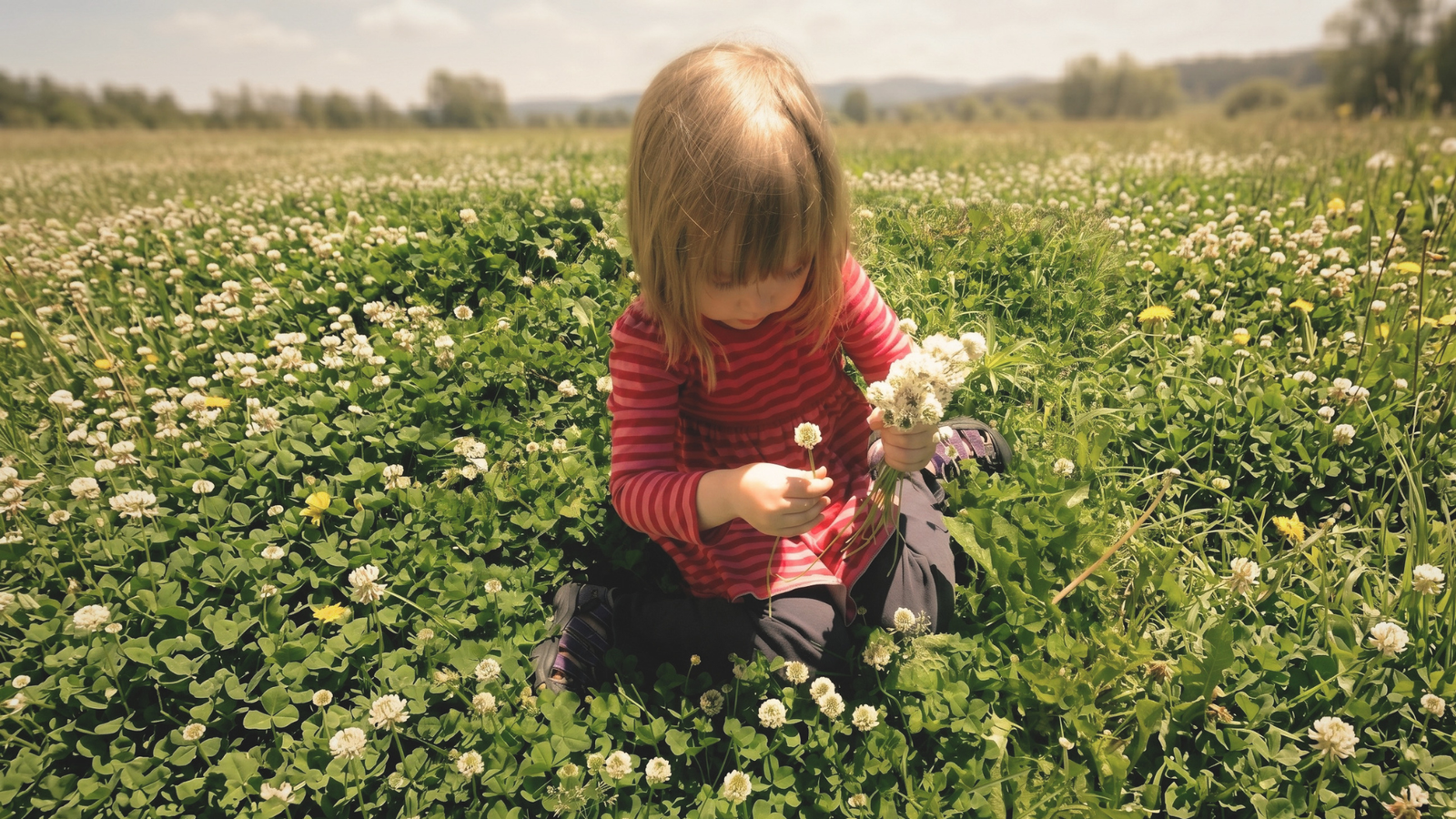
A simple walk outdoors can spark endless curiosity – why flowers bloom in certain seasons, where birds build their nests, or how clouds change from throughout the day.
These questions may seem small, but they form the foundation of meaningful learning. Unlike structured lessons, they come from genuine interest, making the experience more lasting and personal.
New Experiences Build Confidence
Summer is often a season of firsts.
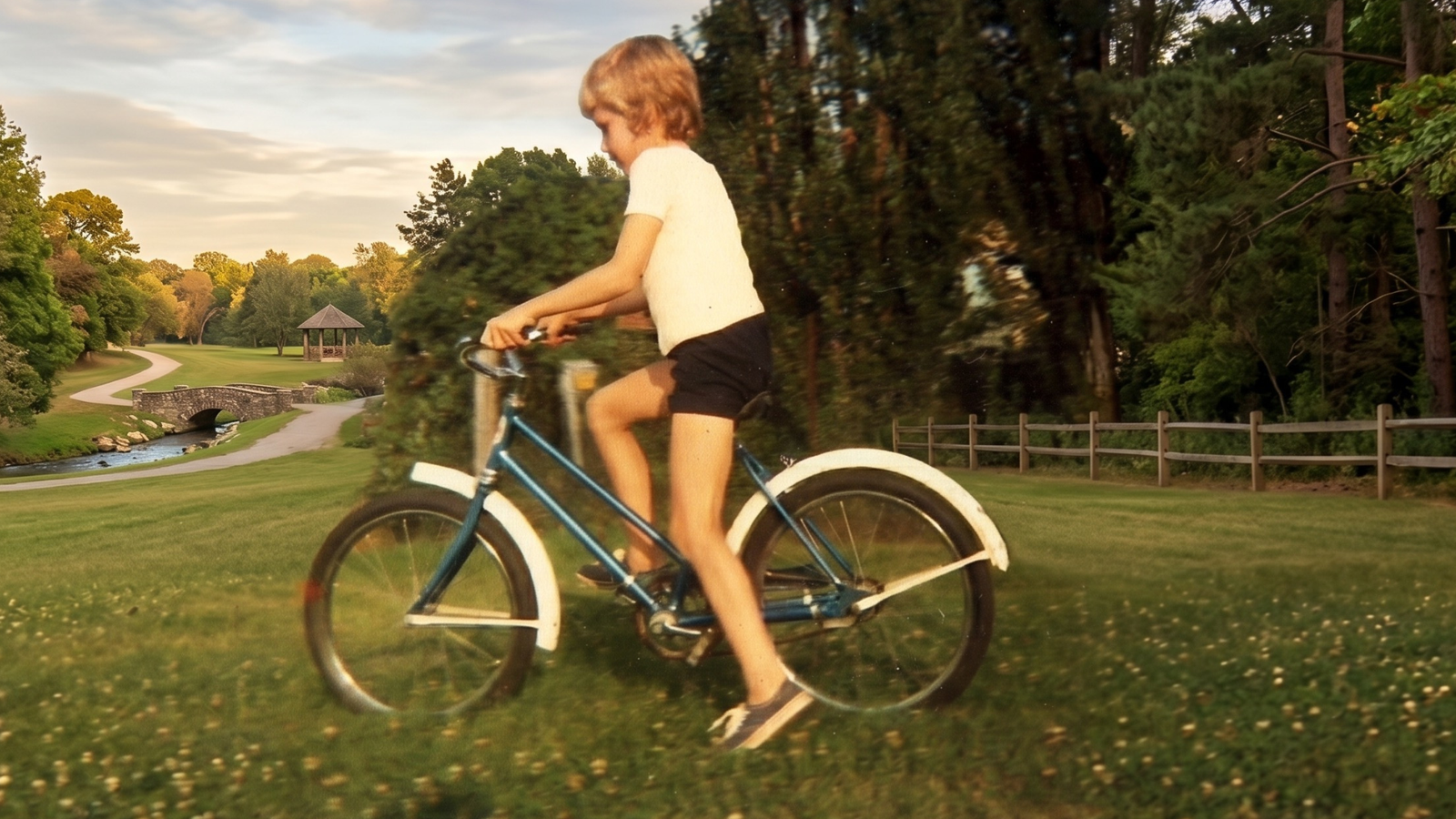
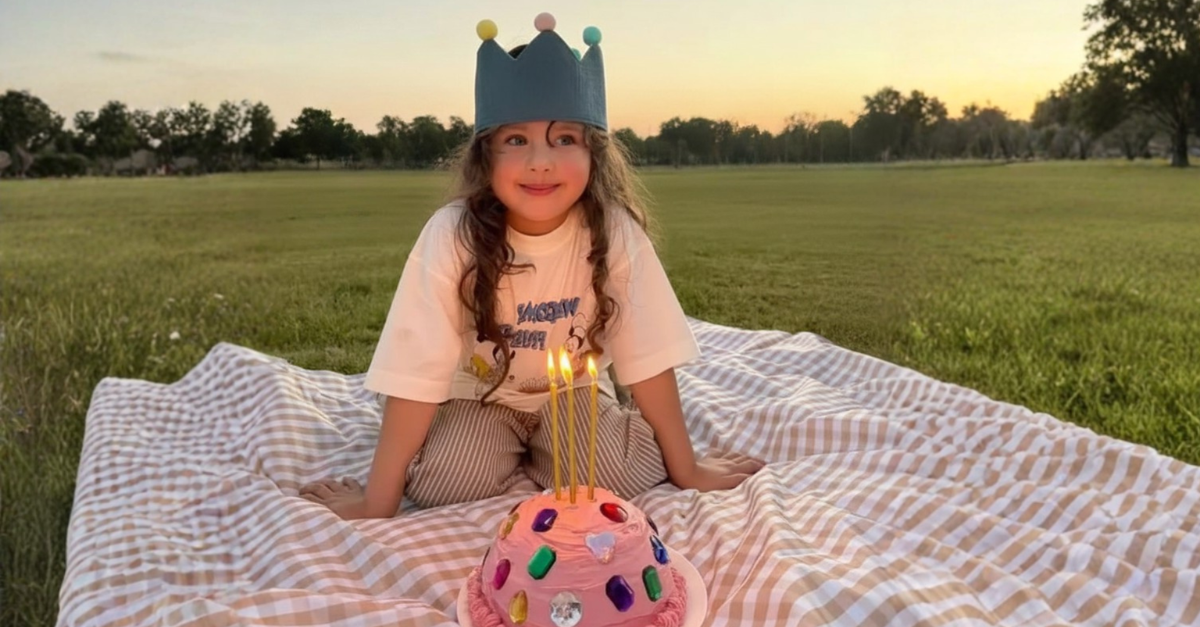
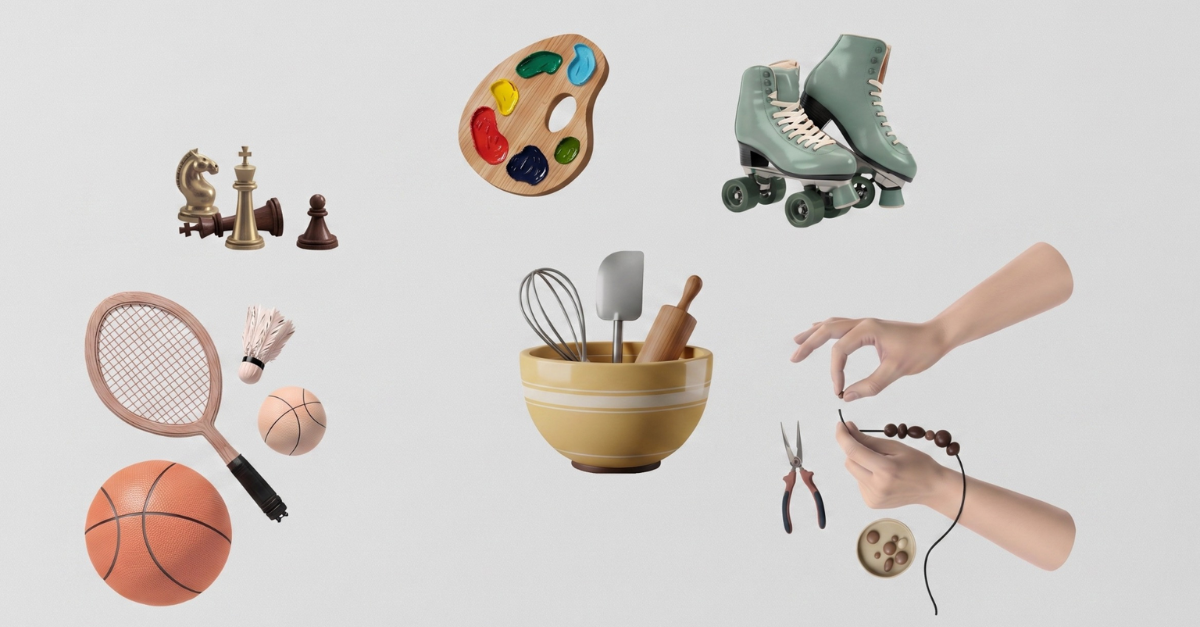
Learning to swim, riding a bicycle independently, trying a new sport, or discovering a creative hobby – each experience allows children to step slightly outside their comfort zone.
With each new attempt, confidence begins to grow. These moments are not just activities; they shape how children see their own abilities.
The Role of Curiosity in Growth
Curiosity is more than a phase – it’s a mindset.
Children who are encouraged to ask questions and explore freely tend to develop stronger problem-solving skills, creativity, and independence. They learn not just to absorb information, but to engage with it.
In many ways, the questions children ask are far more important than the answers they receive.
Let Curiosity Lead
Summer doesn’t need to be filled with constant activity to be meaningful.
Often, it’s the quieter moments – unplanned, unstructured, and open-ended – that create the most lasting impact. Giving children the space to explore, observe, and question allows them to develop a deeper understanding of the world around them.
Sometimes, learning begins with something as simple as a “why.”
Explore Further
Discover more insights on childhood, creativity, and confidence, and see how these moments of curiosit.





Leave a Reply