
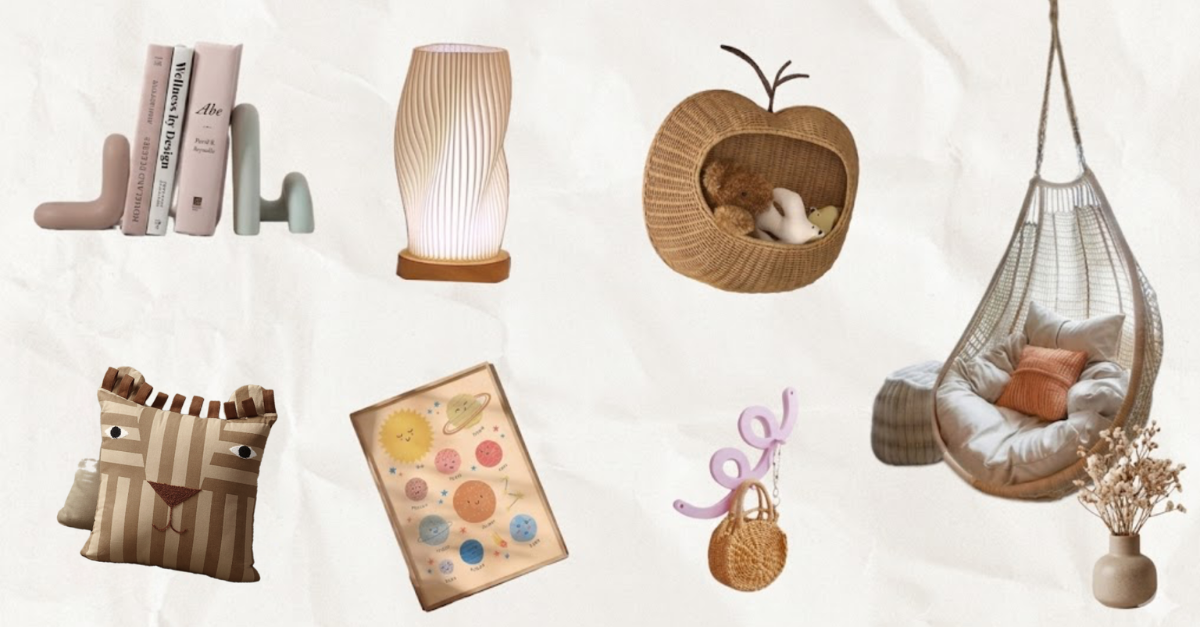
“Spaces That Inspire Creativity”
The spaces we spend time in quietly shape how we think, create, and imagine.
A creative space is not necessarily the most expensive, perfectly designed, or trend-driven room. Often, the most inspiring environments are the ones that feel personal, comfortable, and full of small details that reflect individuality.
The spaces around us influence far more than aesthetics. They affect focus, mood, creativity, comfort, and the way ideas begin to take shape.
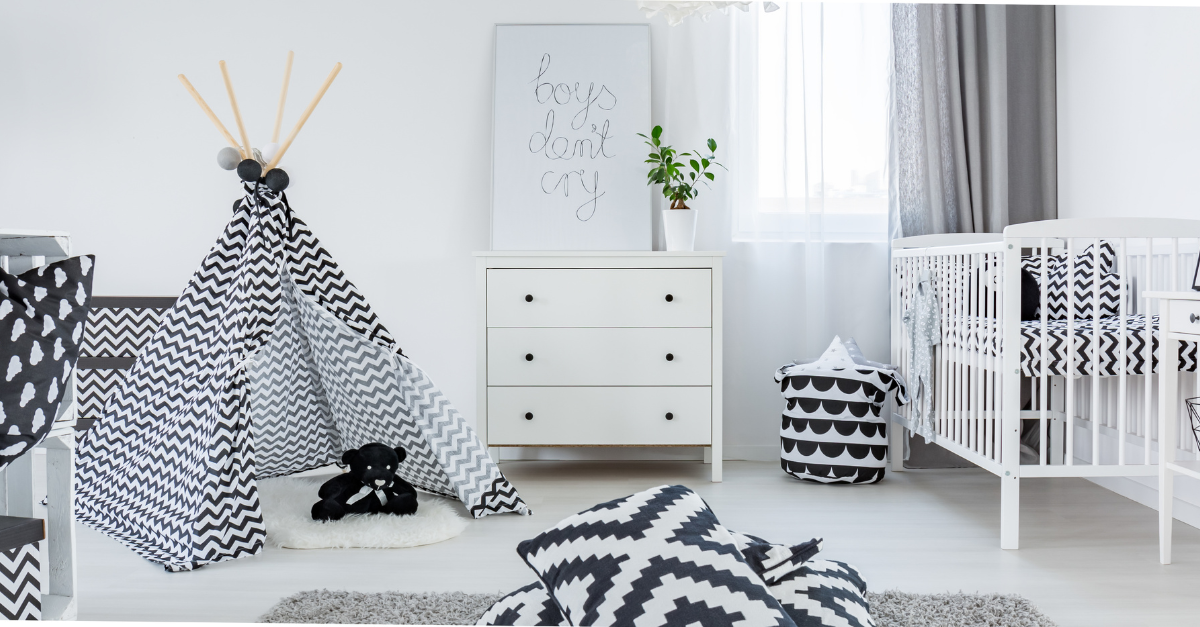
Whether it’s a study corner, a bedroom filled with sketches and books, or a shared creative space, environment plays a quiet but important role in how children and teens explore their imagination and express themselves.
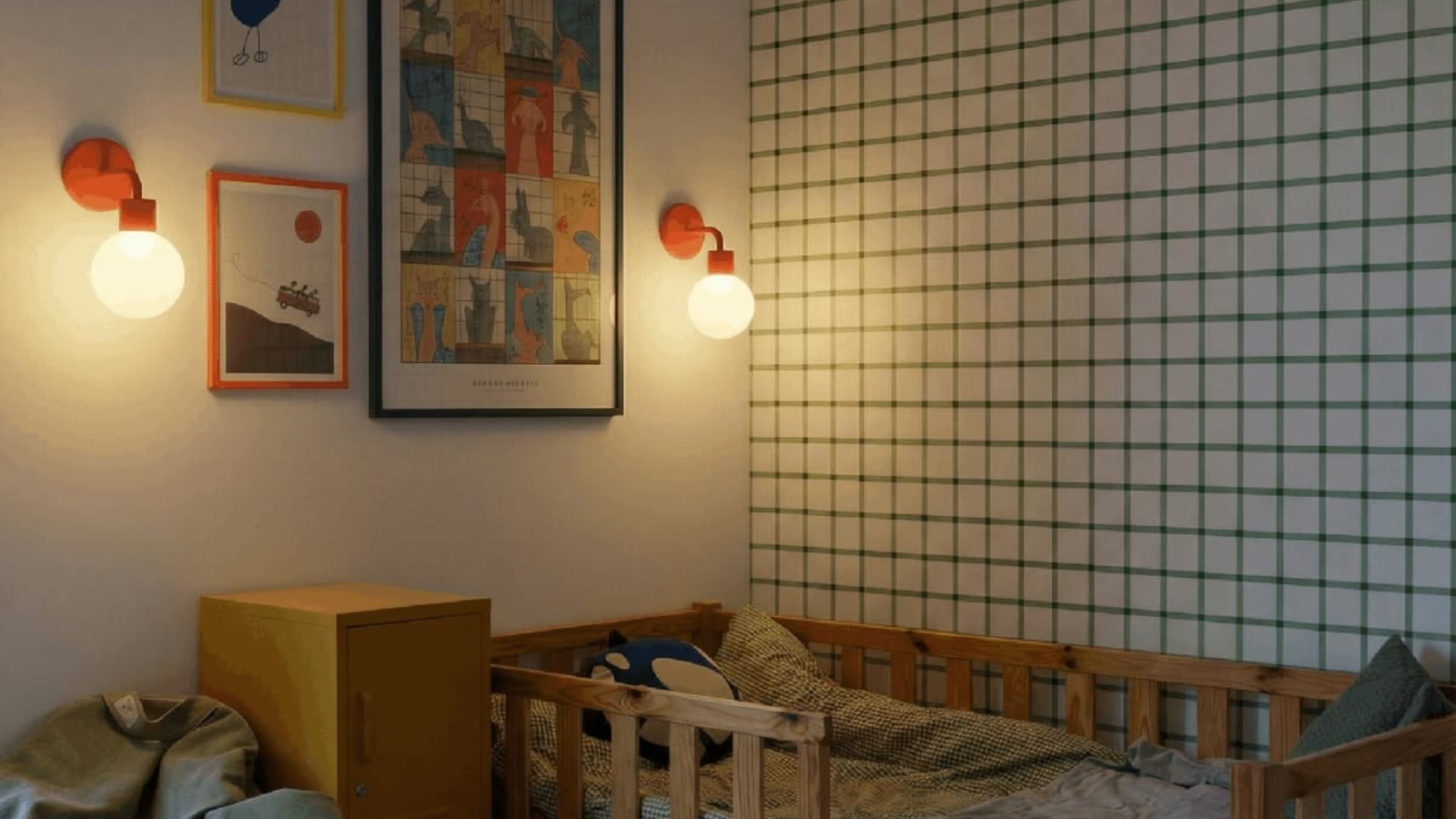
Light Changes Everything
One of the simplest elements that transforms a space is natural light.
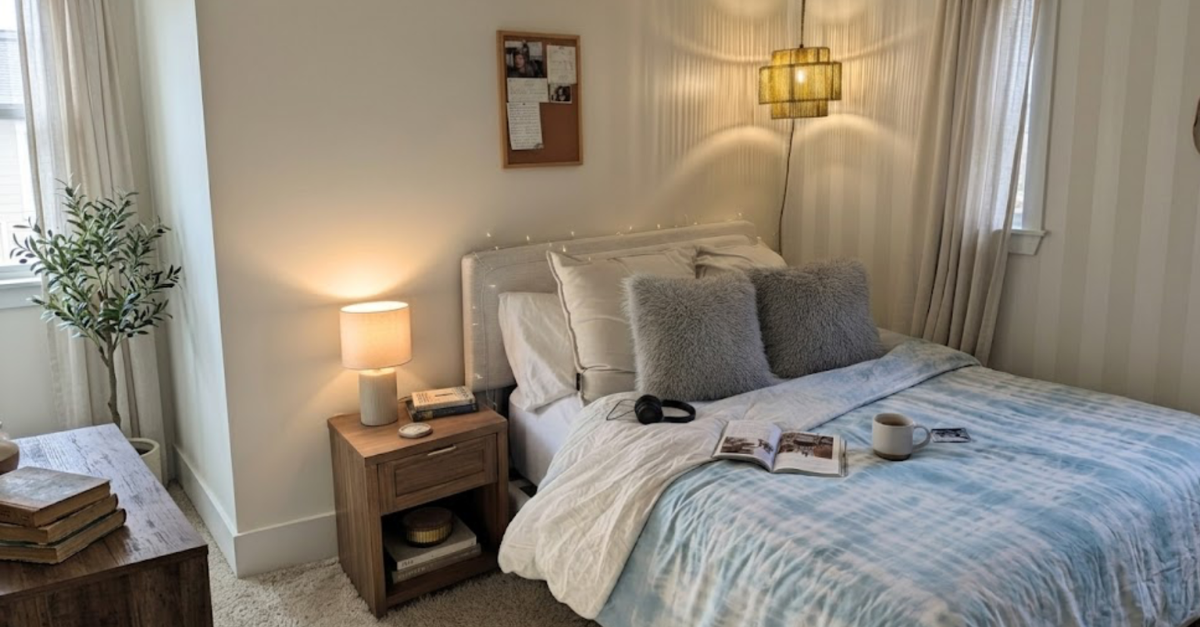
Bright, open spaces often feel calmer, more energising, and easier to spend time in. Sunlight can completely change the mood of a room, making it feel warmer, fresher, and more inviting for reading, creating, learning, or simply relaxing.
Even small changes—opening curtains, adding lighter colours, or creating a corner near a window—can make a noticeable difference in how a space feels throughout the day.
Sometimes inspiration begins with light itself.
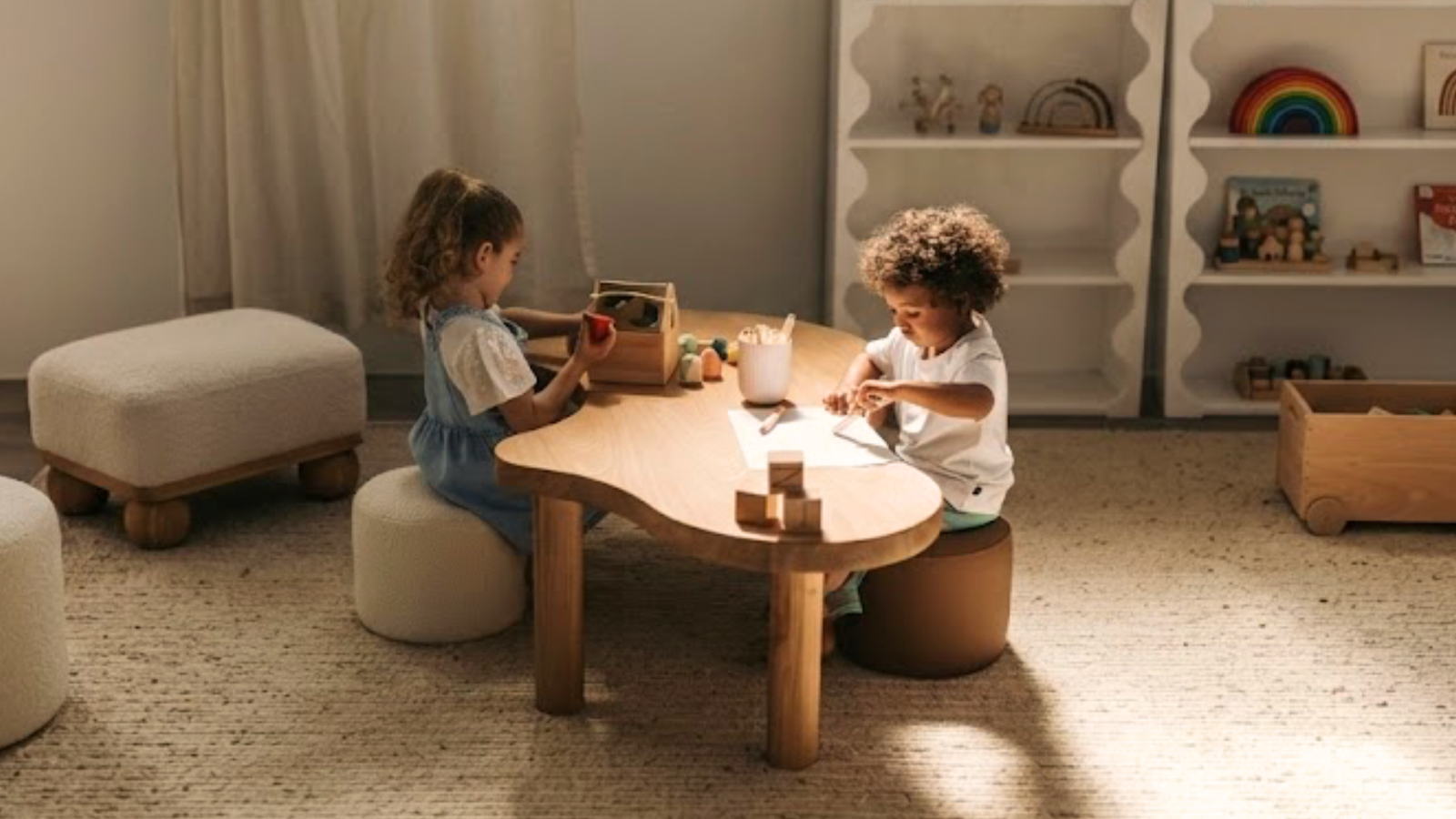
Personality Makes a Space Feel Alive
The most memorable spaces are rarely the most perfect ones.
What makes a space feel inspiring is often personality:
- Books stacked beside a bed
- Sketches pinned onto walls
- Favourite colours
- Photographs
- Journals
- Small collections or meaningful objects
These details make spaces feel lived in and connected to the people who spend time there.
Creative environments become more meaningful when they reflect individuality rather than simply following trends.
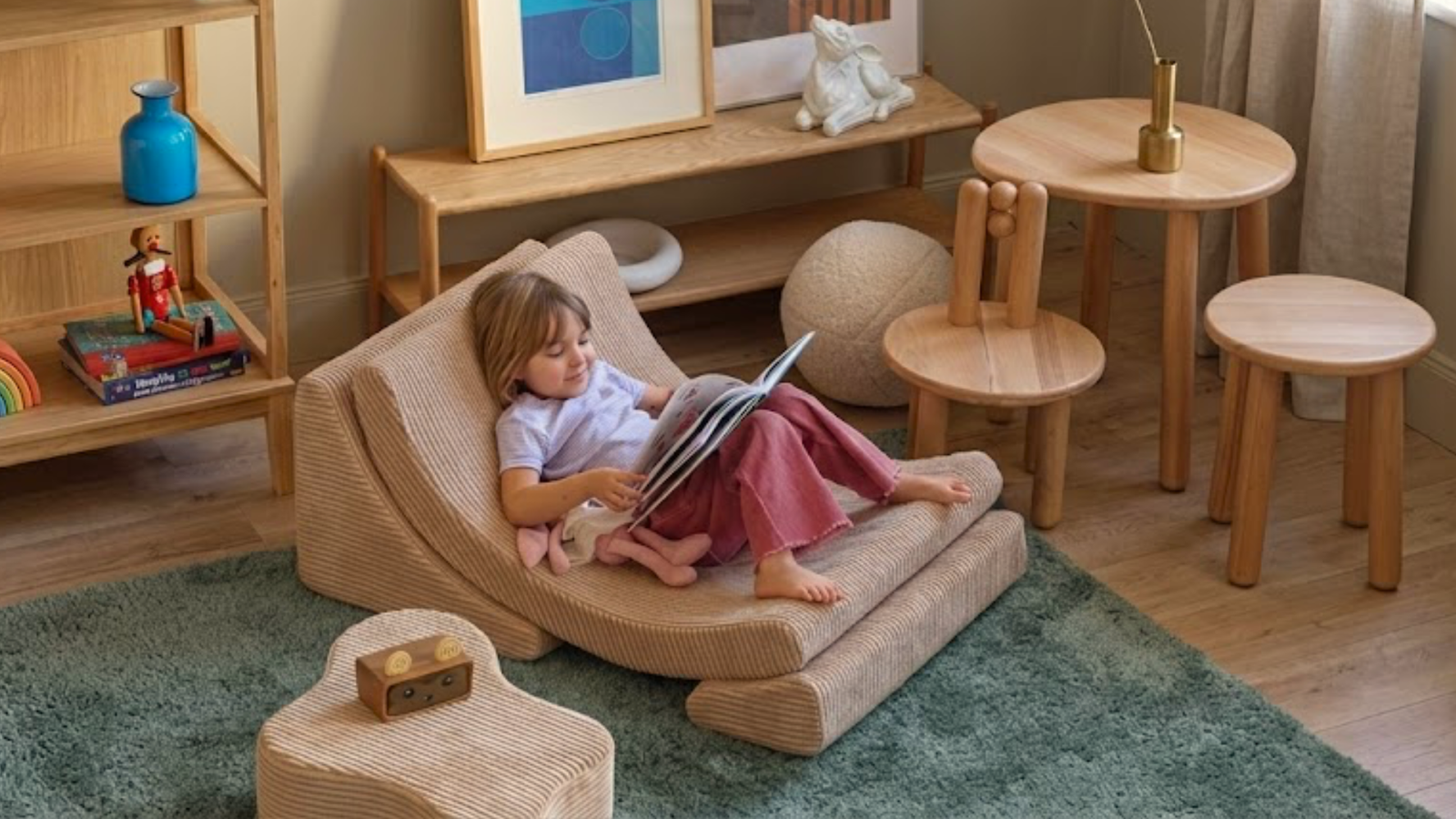
Comfort Supports Creativity
Creativity grows more naturally in spaces that feel comfortable.
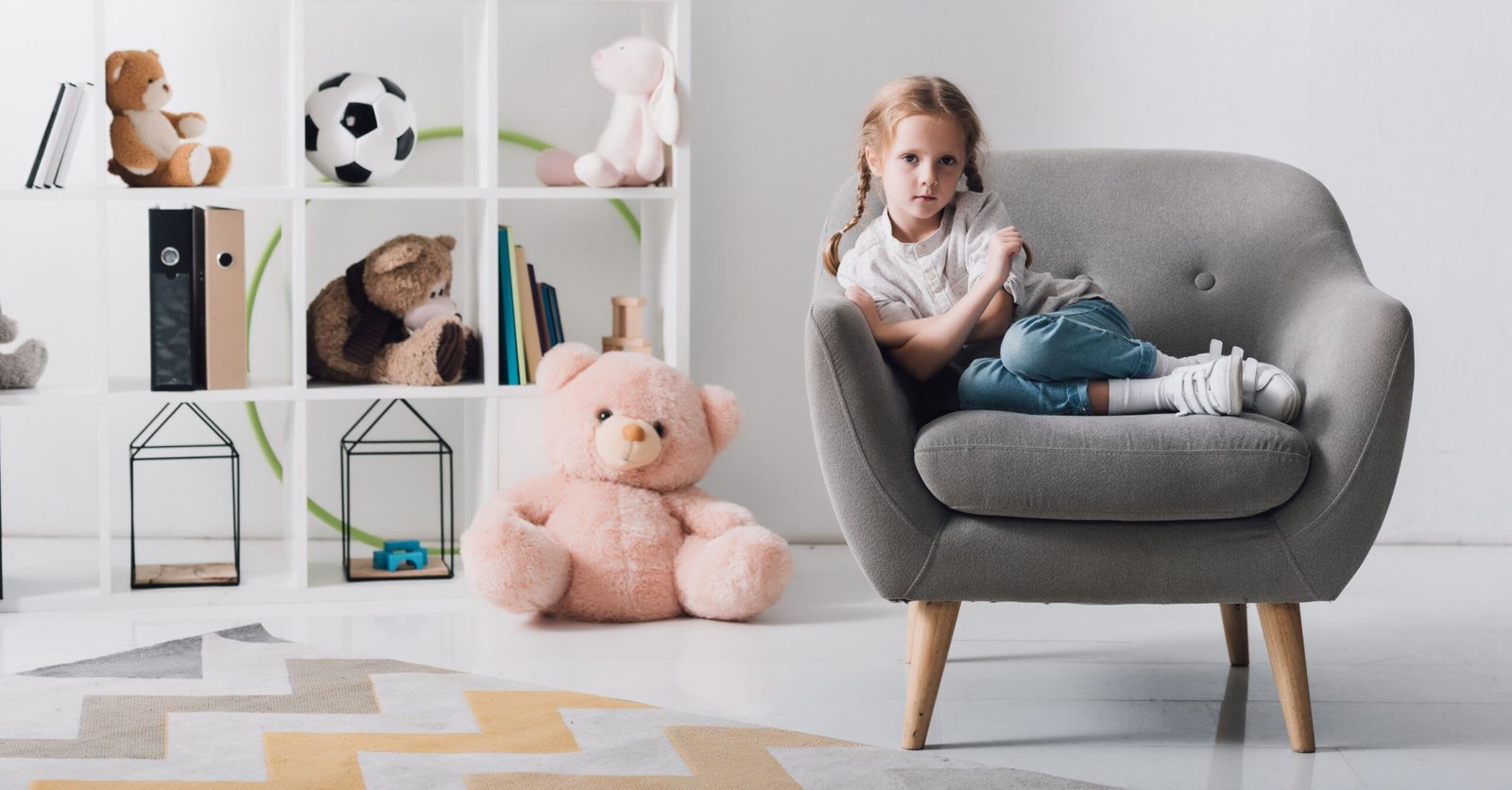
Soft textures, relaxed seating, quiet corners, calming colours, and open layouts can all influence how easily someone focuses, imagines, or spends time creating.
Comfort is often underestimated in design, but it plays a major role in helping spaces feel welcoming rather than restrictive.
When a space feels easy to exist in, creativity tends to flow more freely.
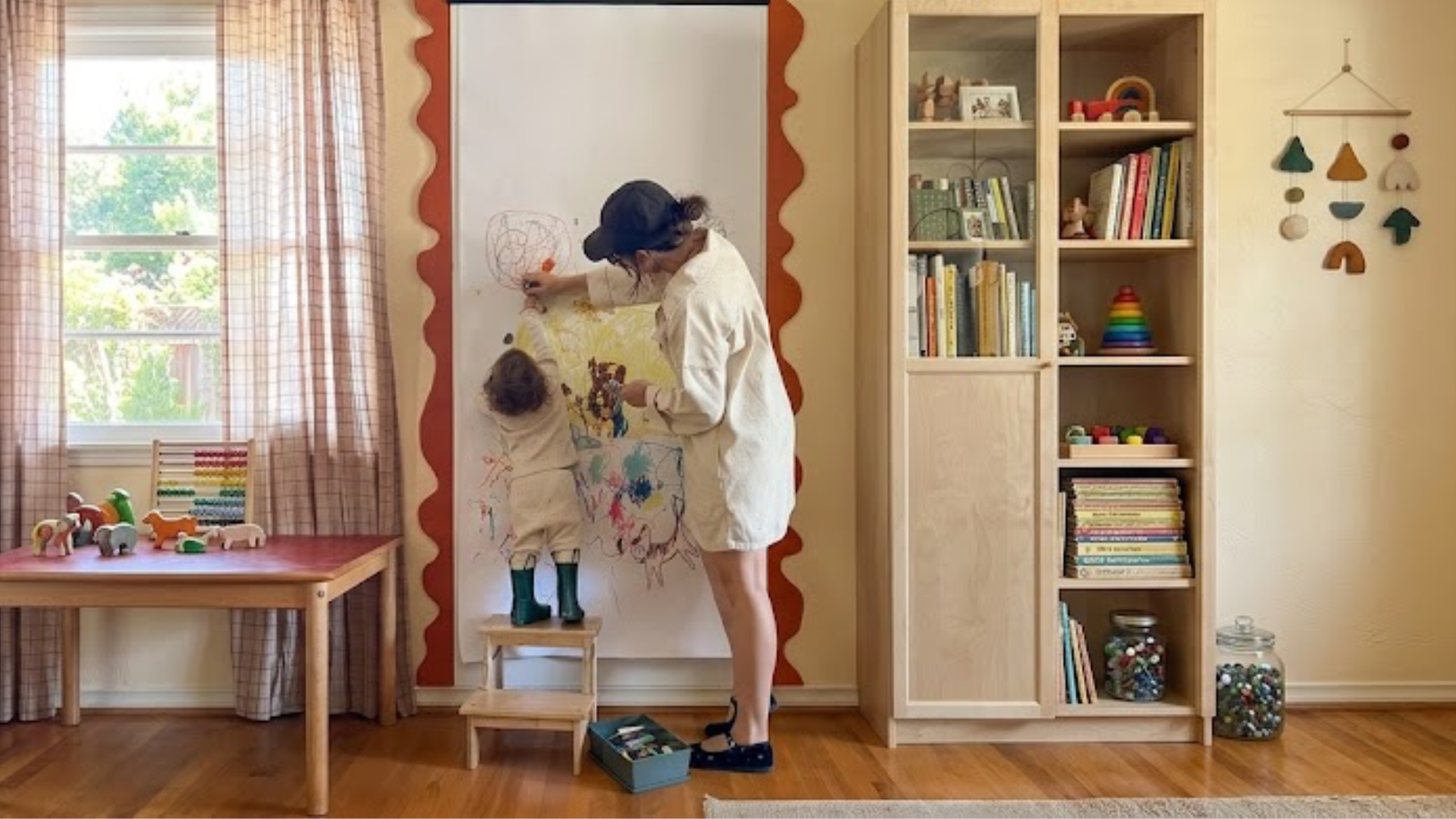
Creative Spaces Don’t Need Perfection
One of the biggest misconceptions about creative environments is that they need to look perfectly organised at all times.
In reality, creativity is often slightly messy.
Sketches spread across a desk, books left open, moodboards in progress, unfinished ideas, notes, fabrics, paints, or photographs—all of these details are often part of the process itself.
A creative space should feel authentic, not staged.
Sometimes a little organised chaos is exactly what makes a room feel inspiring.
Everyday Details Inspire Ideas
Inspiration often comes from the smallest details within a space.
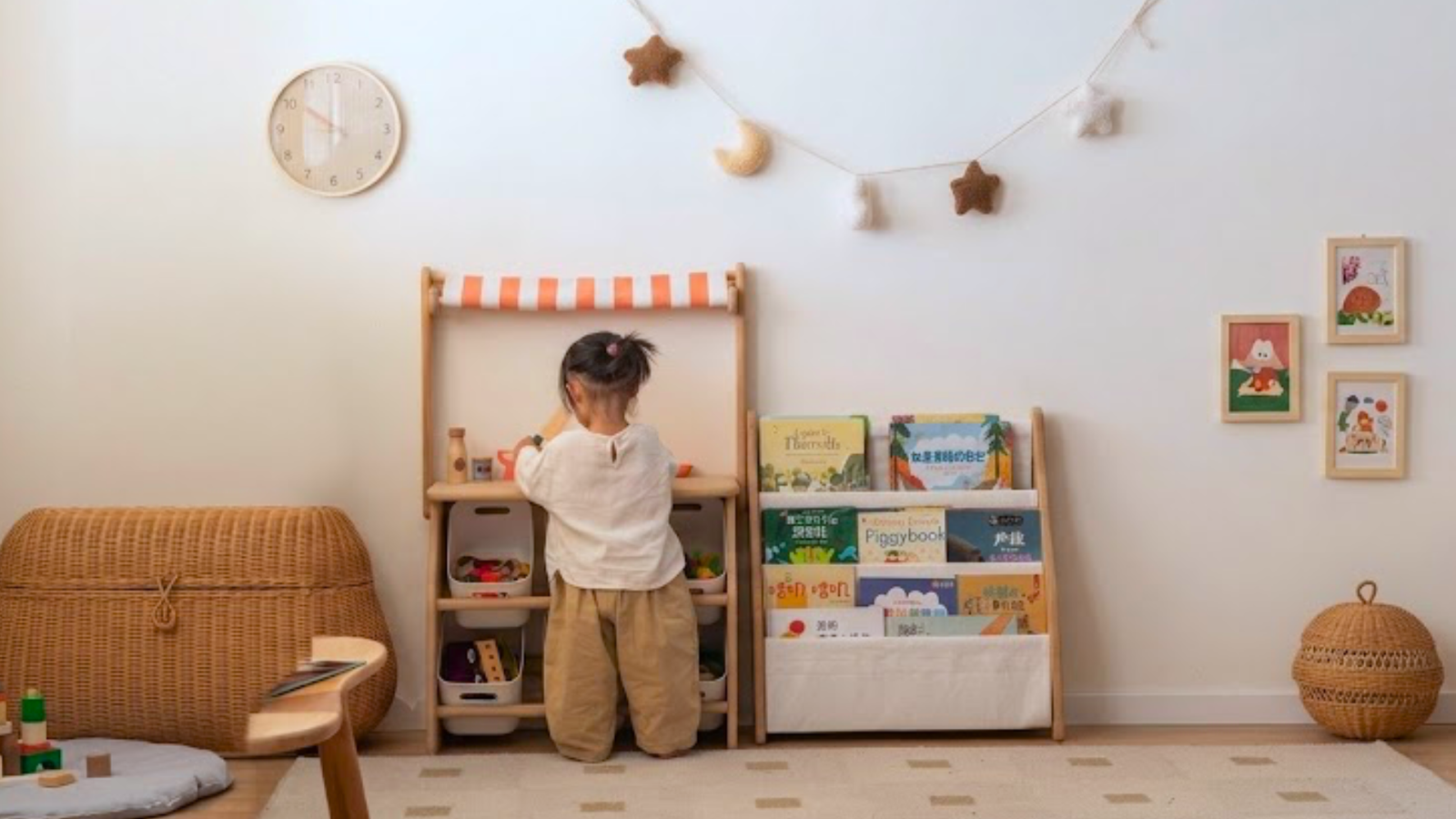
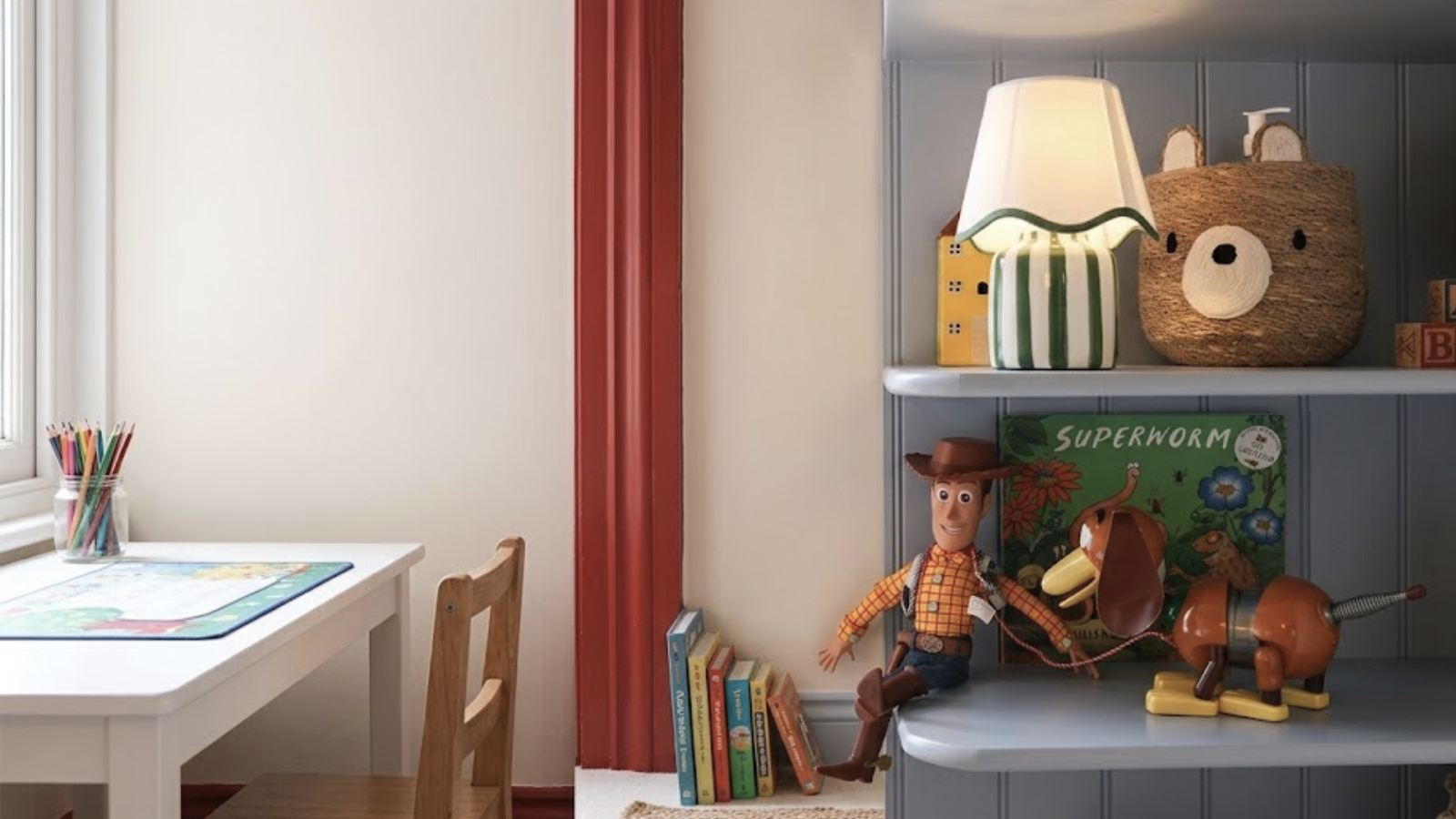
A favourite lamp, music playing softly in the background, a shelf filled with books, art supplies within reach, or a moodboard filled with colours and textures can quietly encourage creativity every day.
These details may seem small, but together they create an environment that supports imagination, curiosity, and self-expression.
The goal is not perfection. It is creating a space that feels personal enough to inspire ideas naturally.
Spaces Shape Experiences
The environments we grow up in often stay with us longer than we realise.
A thoughtfully designed space does not need to be large, expensive, or highly curated. What matters most is how it feels.
Spaces that encourage comfort, creativity, individuality, and self-expression often become the places where confidence, ideas, and meaningful experiences begin to grow.
Because creativity thrives best in spaces that feel personal, inspiring, and truly lived in.
Explore Further
Discover more editorials on creativity, fashion, lifestyle, self-expression, and the everyday moments that inspire modern living.


Leave a Reply